Have you seen our new August specials?

Back to Blog

The Ultimate Guide to Car Maintenance: How to Keep Your Vehicle Running Like New

04/16/2026
    The Ultimate Guide to Car Maintenance: How to Keep Your Vehicle Running Like New Image

    The Ultimate Guide to Car Maintenance: How to Keep Your Vehicle Running Like New

    Your vehicle is one of your most important investments, and taking care of it doesn’t have to be complicated. With the right maintenance habits and a trusted repair partner, you can extend your car’s lifespan, improve performance, and avoid costly repairs down the road.

    At LBR Auto Repair, we’ve been helping drivers stay safe and confident on the road since 1976 by delivering honest, high-quality service backed by expert technicians and advanced diagnostic tools.

    In this guide, we’ll walk you through the essentials of car maintenance and how to keep your vehicle running at its best.

    Why Routine Maintenance Matters

    Many drivers wait until something goes wrong before visiting an auto shop, but that approach often leads to higher repair costs and unexpected breakdowns.

    Routine maintenance helps:

    • Prevent major mechanical issues
    • Improve fuel efficiency
    • Extend the life of your vehicle
    • Keep you and your passengers safe

    Even modern vehicles, including hybrids and electric cars, require regular inspections to maintain reliability and performance.

    Essential Car Maintenance You Should Never Skip

    1. Oil Changes

    Engine oil lubricates moving parts and prevents overheating. Skipping oil changes can lead to engine damage over time.

    Recommended: Every 3,000 to 7,500 miles depending on your vehicle.

    2. Brake Inspections

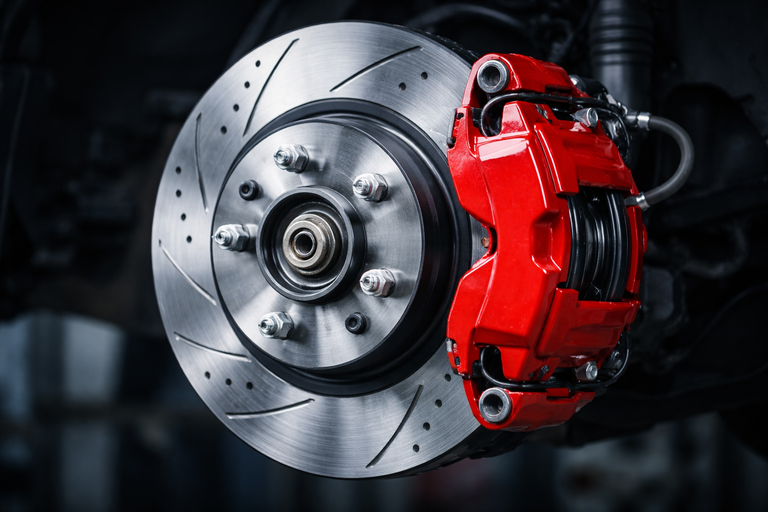
    Your braking system is critical for safety. Over time, brake pads, rotors, and fluid wear down.

    Regular brake service includes:

    • Brake pad replacement
    • Rotor resurfacing or replacement
    • Brake fluid flushes

    Routine inspections help ensure your brakes perform reliably when you need them most.

    3. Tire Maintenance

    Proper tire care improves handling, fuel efficiency, and safety.

    Don’t forget to:

    • Rotate tires every 5,000 to 7,500 miles
    • Check tire pressure monthly
    • Inspect tread wear

    4. Scheduled Maintenance Milestones

    Your vehicle manufacturer provides recommended service intervals, like 30K, 60K, or 90K mile services.

    These typically include:

    • Fluid checks and replacements
    • Filter changes
    • Belt and hose inspections

    Staying on schedule helps catch small issues before they become expensive problems.

    5. Battery and Electrical System Checks

    Whether you drive a gas-powered car, hybrid, or EV, your vehicle relies heavily on electrical systems.

    Signs you may need service:

    • Slow engine start
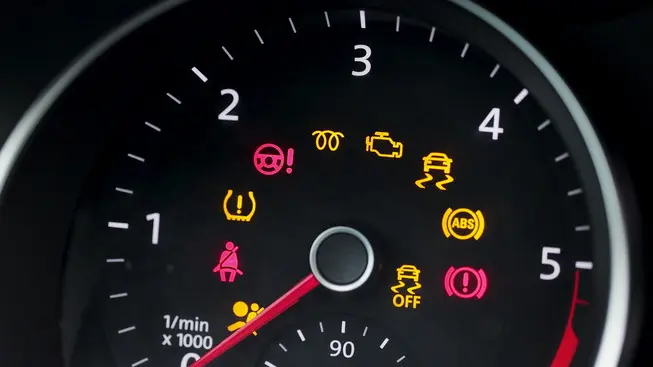
    • Warning lights on the dashboard
    • Reduced performance or range, especially for EVs

    Don’t Ignore These Warning Signs

    If your vehicle shows any of the following symptoms, it’s time to schedule an inspection:

    • Strange noises (grinding, squealing, knocking)
    • Vibrations while driving or braking
    • Fluid leaks under your car
    • Decreased fuel efficiency
    • Dashboard warning lights

    Catching these early can save you time, money, and stress.

    The Value of a Trusted Auto Repair Shop

    Choosing the right repair shop makes all the difference. At LBR Auto Repair, customers benefit from:

    • Honest recommendations — you only pay for what you need
    • Advanced diagnostic technology tailored to modern vehicles
    • Friendly, knowledgeable technicians
    • Warranty-backed repairs for peace of mind

    We believe every job is personal, and our goal is to provide a repair experience built on trust, transparency, and quality.

    Maintenance Tips to Save You Money

    Here are a few simple habits that can make a big difference:

    • Follow your vehicle’s maintenance schedule
    • Address small issues before they escalate
    • Keep up with fluid checks (oil, coolant, brake fluid)
    • Don’t ignore warning lights

    Preventative care is always more affordable than major repairs.

    Final Thoughts

    Taking care of your car doesn’t have to be overwhelming. With consistent maintenance and a reliable auto repair partner, you can keep your vehicle running smoothly for years to come.

    Whether you need routine maintenance, brake service, or advanced diagnostics, LBR Auto Repair is here to help.

    Schedule your appointment today and experience the difference of expert automotive care.

    Send Us A Message

    *Required
    • 5 Signs Your Car Needs Immediate Brake Service Image

      5 Signs Your Car Needs Immediate Brake Service

      5 Signs Your Car Needs Immediate Brake Service

      Your vehicle’s braking system is one of the most important safety features in your car. When your brakes start to wear down, ignoring the warning signs can put you and others at risk.

      At LBR Auto Repair in Bellevue, WA, we often see drivers wait too long before getting their brakes checked. Catching problems early can help you avoid bigger repairs and keep your vehicle safe on the road.

      Here are five common signs your car may need immediate brake service.

      1. Squeaking or Grinding Noises

      If you hear squeaking when you press the brake pedal, your brake pads may be wearing thin. If the noise turns into grinding, the pads may be completely worn out, which can damage the rotors and lead to more expensive repairs.

      2. Vibrations When Braking

      If your brake pedal shakes or vibrates when you stop, your brake rotors may be warped. This can make braking less smooth and reduce stopping performance.

      3. Your Car Pulls to One Side

      If your vehicle pulls left or right while braking, it may be caused by uneven brake wear or a sticking brake caliper. This can affect your control and should be inspected right away.

      4. Brake Warning Light Comes On

      If the brake warning light appears on your dashboard, it could mean low brake fluid, worn brake pads, or another brake system issue. Warning lights should never be ignored.

      5. Longer Stopping Distance

      If it takes longer than usual for your car to stop, your brakes may not be working properly. Worn parts or low brake fluid can reduce braking power and create a safety hazard.

      Why Brake Service Matters

      Routine brake inspections help catch problems early, protect important brake components, and keep your vehicle safe. Replacing worn brake pads on time can also help prevent damage to your rotors.

      Trust LBR Auto Repair in Bellevue, WA

      At LBR Auto Repair, our team provides brake inspections, brake pad replacement, rotor service, and complete brake system diagnostics. We are committed to helping Bellevue drivers stay safe and confident on the road.

      If you notice any of these brake warning signs, schedule an inspection with LBR Auto Repair today.

      03/09/2026Read more
    •  Image

      Back-to-School Car Care: Is Your Vehicle Ready for the Busy Fall Schedule?

      Back-to-school season means earlier mornings, packed schedules, carpools, sports practices, after-school activities, and plenty of time spent on the road. The last thing you need is a car that won't start or an unexpected repair that throws the entire week off schedule.

      Before the school year gets into full swing, it's a great time to make sure your vehicle is ready for the extra driving ahead. At LBR Automotive in Bellevue, WA, we can inspect and service your vehicle so you can head into the busy school season with greater confidence.

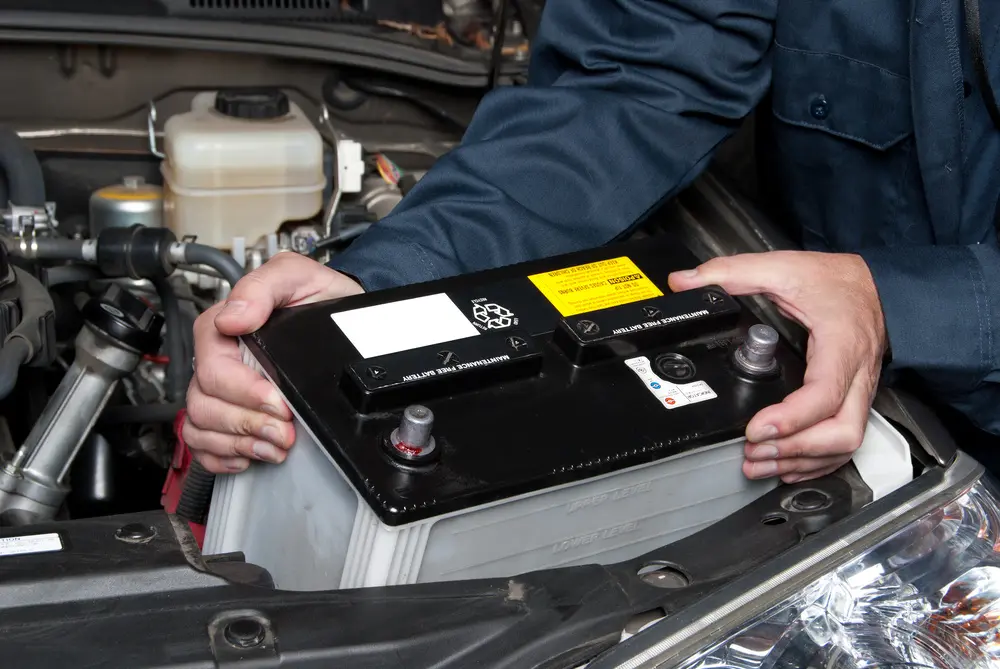
      Check Your Battery Before the Morning Rush

      A weak battery has a habit of becoming obvious at the worst possible time. If your vehicle is slow to start, you've recently needed a jump, or your battery is getting older, having it checked can help you avoid getting stranded when you're supposed to be heading to school or work.

      Your vehicle's charging system matters, too. Problems with the alternator or other electrical components can sometimes look like battery trouble. Learn more about our battery service, battery replacement, and alternator repair.

      Make Sure Your Brakes Are Ready for School Traffic

      School zones, crowded intersections, buses, pedestrians, and morning traffic mean plenty of stopping. If you've noticed squeaking or grinding, vibration while braking, a change in pedal feel, or increased stopping distance, don't ignore it.

      Routine brake inspections can help identify wear before it becomes a bigger concern. Learn more about our brake repair, brake pad replacement, and brake fluid service.

      Give Your Tires Some Attention

      Tires can easily get overlooked during a busy summer. Before fall schedules take over, check your tire pressure and inspect the tread for excessive or uneven wear.

      Regular tire rotation can help promote more even tire wear. If your vehicle pulls to one side or you notice unusual tire wear, it may also be time for a wheel alignment.

      Catch Up on Overdue Maintenance

      Was the summer so busy that an oil change or scheduled service slipped your mind? Back-to-school season is a good opportunity to catch up.

      Depending on your vehicle, mileage, and manufacturer recommendations, maintenance may include:

      Not sure what your vehicle needs? Our preventative maintenance services can help you stay ahead of upcoming maintenance and repairs.

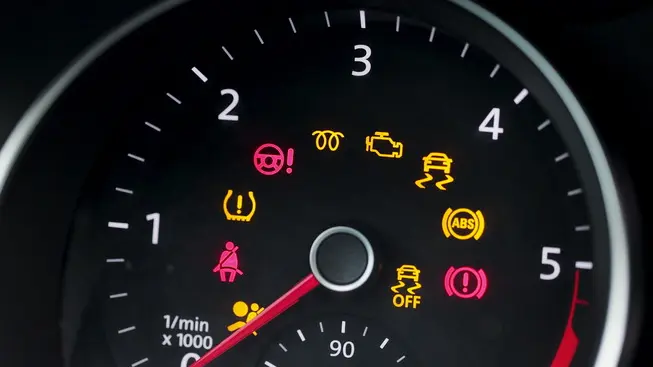
      Don't Ignore Dashboard Warning Lights

      A dashboard warning light can be easy to put off when the vehicle still seems to drive normally. But once school and work schedules become packed, finding time for an unexpected breakdown becomes even harder.

      If your check engine light is on, proper diagnosis can help determine what's actually causing the warning. Learn more about our check engine light service and auto diagnostics.

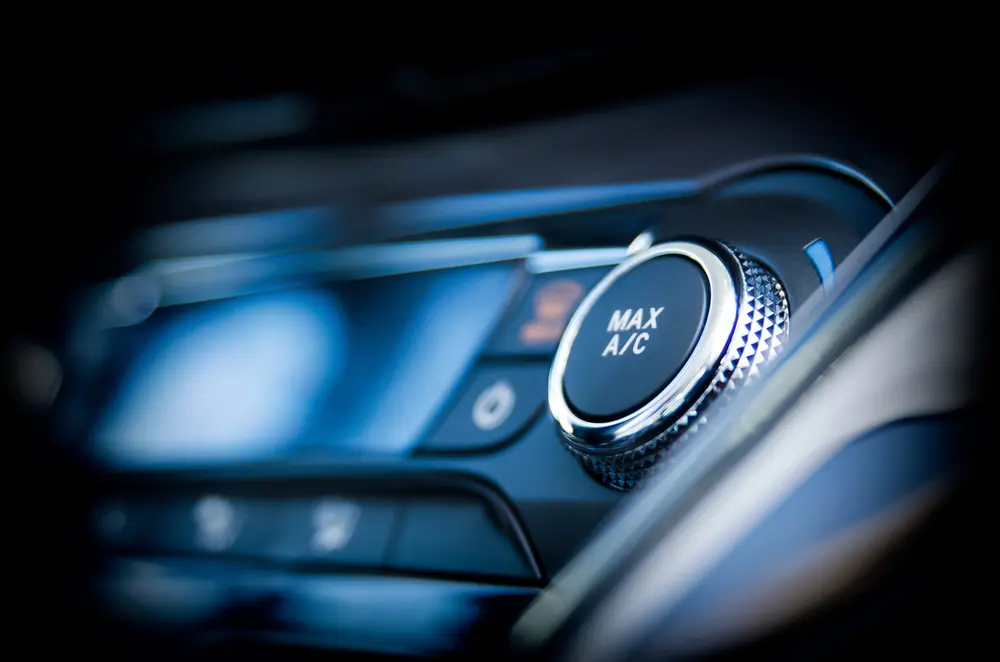
      Check Your Heating, Cooling, and Defrosting Systems

      Bellevue's warm summer weather won't last forever. Before temperatures begin dropping, make sure your vehicle's climate-control system is working properly. Good heating and defrosting performance becomes especially important as mornings get colder and wetter.

      If your air conditioning struggled through the summer, this is also a good time to have it checked. Learn more about our auto air conditioning repair services.

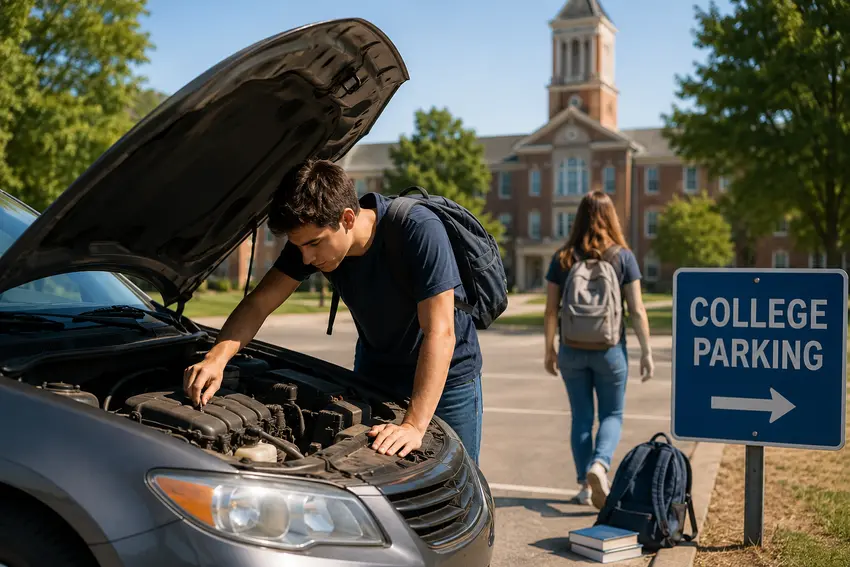
      Get an Inspection Before a College Student Heads Out

      Have a student taking a vehicle to college? Whether they're commuting locally or driving several hours away, having the vehicle inspected before they leave can provide a clearer picture of its condition.

      It's much easier to address an aging battery, worn brakes, questionable tires, or overdue maintenance while the vehicle is still at home than after your student calls from a campus parking lot. Learn more about our vehicle inspections.

      Start the School Year With a Car You Can Count On

      You already have enough to think about during back-to-school season. Your vehicle shouldn't be another source of stress.

      Taking care of maintenance now can help identify developing problems, catch up on overdue services, and prepare your vehicle for another season of commuting, carpools, practices, errands, and weekend activities.

      If your family vehicle needs maintenance or repair, schedule a visit with LBR Automotive in Bellevue, WA. We also serve drivers from Redmond, Kirkland, Issaquah, and surrounding communities.

      Frequently Asked Questions About Back-to-School Car Care

      What car maintenance should I do before school starts?

      Before the school-year rush, check your tires, brakes, battery, fluids, lights, wipers, and heating and cooling systems. It's also a good time to catch up on overdue oil changes or scheduled maintenance.

      Should I have my student's car inspected before they leave for college?

      Having the vehicle inspected before a student leaves for college can help identify worn tires, brake concerns, battery issues, fluid leaks, overdue maintenance, and other developing problems. Learn more about our vehicle inspection services.

      How do I know if my car battery needs attention?

      Slow engine cranking, difficulty starting, electrical issues, or repeated jump-starts can indicate a battery or charging-system problem. A battery service can help determine what needs attention.

      Why should I check my brakes before back-to-school season?

      School-zone driving can involve frequent stops around buses, pedestrians, crosswalks, and congested intersections. If you notice unusual noises, vibration, changes in pedal feel, or reduced braking performance, schedule brake service.

      What should I do if my check engine light comes on?

      A check engine light can be triggered by many different problems. Proper diagnosis is the best way to determine the cause. Learn more about auto diagnostics at LBR Automotive.

      Where can I get back-to-school auto repair in Bellevue, WA?

      LBR Automotive provides auto repair, vehicle inspections, diagnostics, brake service, battery service, oil changes, and preventative maintenance in Bellevue, WA. Visit our auto repair services page to learn more.

      08/17/2026Read more
    •  Image

      Preventative Car Maintenance: How to Keep Your Vehicle Reliable and Avoid Costly Repairs

      Most major vehicle problems don’t happen overnight. A worn belt, low fluid level, aging battery, dirty filter, or thinning brake pad can start as a small maintenance issue and eventually turn into a much larger repair.

      That’s why preventative maintenance is one of the best things you can do for your vehicle. By taking care of routine services and catching wear early, you can help improve reliability, reduce the chance of unexpected breakdowns, and get more life out of your car.

      At LBR Automotive, we help drivers in Bellevue and the surrounding communities stay ahead of vehicle problems with preventative maintenance, inspections, and repair services tailored to their vehicles.

      What Is Preventative Maintenance?

      Preventative maintenance is the routine inspection and servicing of your vehicle before a component fails.

      Instead of waiting until your car overheats, won't start, develops a serious leak, or needs an expensive repair, preventative maintenance focuses on identifying normal wear and addressing service needs at the appropriate time.

      Common preventative maintenance services include:

      • Oil and filter changes
      • Fluid inspections and replacement
      • Brake inspections
      • Tire rotations and tire inspections
      • Battery testing
      • Air and cabin filter replacement
      • Belt and hose inspections
      • Cooling system maintenance
      • Spark plug replacement
      • Transmission and drivetrain maintenance
      • Manufacturer-recommended mileage services

      Your vehicle's exact maintenance needs depend on its make, model, age, mileage, driving conditions, and manufacturer recommendations. Our scheduled maintenance services can help you stay on top of those requirements.

      Why Is Preventative Maintenance Important?

      It Can Help Prevent Expensive Repairs

      One of the biggest benefits of routine maintenance is catching problems while they're still manageable.

      For example, a technician may spot a leaking hose, worn belt, deteriorating brake component, or fluid issue during an inspection. Addressing the problem early may prevent damage to other components or an unexpected breakdown later.

      Preventative maintenance isn't about replacing parts unnecessarily. It's about understanding your vehicle's condition so you can make informed decisions before minor problems become major ones.

      It Helps Keep Your Vehicle Reliable

      Few things are more frustrating than turning the key and discovering your car won't start—or seeing the temperature gauge climb while you're sitting in traffic.

      Routine inspections give technicians an opportunity to identify developing issues with systems such as your battery, cooling system, brakes, tires, and engine.

      If something doesn't feel right with your vehicle, don't wait for your next scheduled service. Our auto diagnostics service can help determine what's causing the problem.

      It Can Extend the Life of Your Vehicle

      Vehicles are made up of systems that depend on one another. Proper lubrication, clean fluids, correct tire pressure, healthy cooling-system components, and routine inspections all contribute to keeping those systems operating properly.

      Consistent maintenance can be especially important as a vehicle accumulates mileage.

      LBR Automotive offers dedicated 30K service, 60K service, and 90K service options to help drivers address important maintenance milestones.

      Essential Preventative Maintenance Services

      Regular Oil Changes

      Engine oil lubricates moving engine components and helps manage heat and contamination. Over time, oil degrades and needs to be replaced.

      Following the appropriate oil-change interval for your vehicle is one of the simplest ways to protect your engine.

      Learn more about our oil change service.

      Brake Inspections and Maintenance

      Brake components wear gradually, which means you may not immediately notice how much they've changed.

      Squealing or grinding noises, vibration, pulling while braking, a soft brake pedal, or longer stopping distances can all indicate that your brakes should be inspected.

      Regular inspections can help identify worn pads, rotor problems, fluid concerns, and other issues before braking performance becomes seriously affected.

      If you've noticed any of these symptoms, schedule a brake repair inspection.

      Tire Rotation and Alignment

      Your tires are your vehicle's connection to the road, making their condition important for handling, braking, ride quality, and overall safety.

      Routine tire maintenance should include checking:

      • Tire pressure
      • Tread depth
      • Uneven wear
      • Tire damage
      • Rotation intervals

      Regular tire rotations can help promote more even tread wear. If your vehicle pulls to one side or your tires are wearing unevenly, a wheel alignment may also be needed.

      Cooling System Maintenance

      Your vehicle's cooling system prevents the engine from operating at excessive temperatures. Coolant, the radiator, hoses, thermostat, water pump, and related components all play a role.

      Leaks or deteriorated components can eventually lead to overheating and significant engine damage.

      Routine cooling system service and repair can help identify problems before you're stranded with an overheating vehicle.

      Battery and Electrical System Checks

      A weak battery can leave you stranded with little warning.

      Battery performance can be affected by age, temperature, driving habits, and electrical-system problems. Having the battery and charging system checked periodically can help identify declining performance.

      If you're experiencing slow starts, electrical problems, or an unreliable battery, learn more about LBR Automotive's battery service.

      Air and Cabin Filters

      Your vehicle uses several filters to keep contaminants where they don't belong.

      The engine air filter helps keep dirt and debris from entering the engine's air supply, while the cabin air filter helps filter the air entering the passenger compartment.

      Replacing a dirty engine air filter or cabin air filter when needed is a relatively simple part of preventative maintenance.

      Transmission Fluid and Drivetrain Maintenance

      Your transmission is one of your vehicle's most important—and potentially expensive—systems.

      Transmission fluid deteriorates over time, and maintenance requirements vary considerably between vehicles. Following the correct service schedule can help protect transmission components and maintain proper operation.

      Learn more about transmission fluid service.

      How Often Should You Schedule Preventative Maintenance?

      There isn't one maintenance schedule that applies to every vehicle.

      Your ideal maintenance intervals depend on several factors, including:

      • Manufacturer recommendations
      • Vehicle age and mileage
      • Driving conditions
      • Short-trip versus highway driving
      • Towing or carrying heavy loads
      • Previous maintenance history
      • Current vehicle condition

      Your owner's manual is an important starting point. A qualified technician can also help you understand which services are currently due and which can wait.

      If you're unsure where your vehicle stands, a comprehensive vehicle inspection can provide a clearer picture of its current condition.

      Digital Vehicle Inspections Make Maintenance Easier to Understand

      Preventative maintenance works best when you know what's actually happening with your vehicle.

      LBR Automotive offers digital vehicle inspections, helping make vehicle condition and recommended services easier to understand.

      Instead of treating maintenance as a guessing game, an inspection can help identify what needs attention now, what should be monitored, and what remains in good condition.

      Don't Ignore These Warning Signs

      Preventative maintenance is meant to address problems before they become emergencies, but your vehicle may still tell you when something needs immediate attention.

      Schedule an inspection if you notice symptoms such as:

      • Dashboard warning lights
      • Fluid leaking underneath the vehicle
      • New vibrations
      • Grinding, squealing, knocking, or rattling noises
      • Difficulty starting
      • Reduced fuel economy
      • Vehicle pulling to one side
      • Unusual smells
      • Engine overheating
      • Changes in braking or steering

      A warning light shouldn't automatically be treated as a specific diagnosis. If your check engine light is illuminated, professional check engine light service can help identify the underlying cause.

      Preventative Maintenance for Bellevue Drivers

      Local driving conditions matter, too. Stop-and-go traffic, short trips, seasonal temperature changes, wet weather, and longer drives throughout the Pacific Northwest can all influence vehicle wear.

      Having a trusted repair shop that knows your vehicle's history can make maintenance easier to manage over the long term.

      LBR Automotive provides auto repair in Bellevue, WA, along with service for drivers from Redmond, Kirkland, Issaquah, Clyde Hill, West Lake Sammamish, Bridle Trails, and surrounding communities.

      Stay Ahead of Repairs With LBR Automotive

      You don't have to wait for something to break before taking care of your car.

      A consistent preventative maintenance routine can help you understand your vehicle's condition, plan upcoming services, reduce the risk of unexpected problems, and keep your vehicle dependable for the miles ahead.

      Whether you're due for an oil change, approaching a major mileage interval, or simply aren't sure what maintenance your vehicle needs next, the team at LBR Automotive can help.

      Contact LBR Automotive to schedule preventative maintenance or an inspection for your vehicle.

      Frequently Asked Questions About Preventative Maintenance

      What is considered preventative maintenance on a car?

      Preventative maintenance includes routine inspections and services intended to keep your vehicle operating properly and identify wear before it leads to a larger problem. Common examples include oil changes, tire rotations, brake inspections, fluid services, filter replacement, battery checks, and manufacturer-recommended scheduled maintenance.

      How often should I have preventative maintenance performed?

      There isn't a universal interval for every vehicle. Maintenance schedules vary based on the manufacturer, mileage, age, driving conditions, and specific component or fluid being serviced. Check your owner's manual and have your vehicle inspected regularly to determine what's actually due.

      Is preventative maintenance worth the cost?

      Routine maintenance can help reduce the likelihood that neglected fluids, worn components, or developing problems turn into more extensive repairs. It also helps you plan vehicle expenses instead of waiting for an unexpected breakdown.

      What's the difference between preventative maintenance and scheduled maintenance?

      Scheduled maintenance generally refers to services recommended at specific mileage or time intervals by the vehicle manufacturer. Preventative maintenance is a broader term that can include those scheduled services along with inspections and condition-based maintenance intended to catch developing problems early.

      What maintenance should I do at 30,000, 60,000, or 90,000 miles?

      Required services vary by vehicle. Depending on the manufacturer's schedule, mileage-based maintenance may include inspections, filters, fluids, spark plugs, belts, or other components. It's best to follow the maintenance schedule for your specific year, make, model, and engine rather than relying on a universal checklist.

      Can preventative maintenance improve my car's lifespan?

      Keeping up with appropriate maintenance can help reduce unnecessary wear and protect important vehicle systems. Oil changes, fluid maintenance, cooling-system care, inspections, and replacing worn components when necessary can all contribute to keeping a vehicle dependable for longer.

      How do I know if my car is overdue for maintenance?

      Start by reviewing your vehicle's mileage, service records, and owner's manual. Warning lights, unusual noises, leaks, changes in handling, poor braking performance, or difficulty starting can also indicate that your vehicle needs attention. If you don't know its maintenance history, a professional vehicle inspection is a good place to start.

      Where can I get preventative maintenance in Bellevue, WA?

      LBR Automotive provides preventative maintenance and auto repair services for drivers in Bellevue and surrounding Eastside communities. Schedule an appointment to have your vehicle inspected and determine which maintenance services are currently due.
      08/14/2026Read more
    • Summer A/C Maintenance Tips to Keep Your Car Cool in Bellevue, WA Image

      Summer A/C Maintenance Tips to Keep Your Car Cool in Bellevue, WA

      When summer temperatures rise in Bellevue, Kirkland, Redmond, and the surrounding areas, your vehicle’s air conditioning system becomes more than just a convenience — it becomes essential. Regular A/C maintenance helps keep your system running efficiently, prevents costly repairs, and keeps you comfortable all season long.

      At LB Automotive, we help drivers stay cool with professional auto air conditioning repair, inspections, and preventative maintenance services.

      Why Summer A/C Maintenance Matters

      Your vehicle’s air conditioning system works hard during the warmer months. Over time, refrigerant levels can drop, components can wear out, and small issues can turn into expensive repairs if left unchecked.

      • Improve cooling performance
      • Extend the life of your A/C system
      • Increase fuel efficiency
      • Prevent compressor failure
      • Catch leaks early
      • Improve cabin air quality

      If your air conditioner is struggling to keep up, schedule an A/C recharge service or full system inspection.

      Signs Your Vehicle’s A/C System Needs Service

      Weak Airflow

      If airflow feels weak even at maximum settings, your cabin air filter, blower motor, or ventilation system may need attention.

      Warm Air Coming From the Vents

      Warm air may point to low refrigerant levels, leaks, or compressor issues. LB Automotive offers professional A/C compressor repair and diagnostics.

      Strange Odors

      Musty smells from the vents may indicate mold, bacteria buildup, or a dirty cabin air filter.

      Unusual Noises

      Grinding, squealing, or rattling sounds when the A/C is running can signal worn components or compressor damage.

      Refrigerant Leaks

      If your system loses cooling performance quickly, you may need professional R134a Freon A/C repair.

      Summer A/C Maintenance Checklist

      Check Refrigerant Levels

      Low refrigerant reduces cooling efficiency and forces your system to work harder.

      Replace the Cabin Air Filter

      A dirty cabin air filter restricts airflow and affects air quality inside your vehicle.

      Inspect the Compressor

      The compressor is the heart of your A/C system. Catching wear early can help prevent costly repairs.

      Test Cooling Performance

      Professional technicians measure vent temperature and system pressure to confirm proper operation.

      Inspect Belts and Hoses

      Cracked hoses or worn belts can lead to A/C failure during hot weather.

      Schedule Preventative Maintenance

      Routine preventative maintenance helps identify small problems before they become major repairs.

      Why Choose LB Automotive for A/C Service?

      At LB Automotive, our experienced technicians use advanced diagnostic equipment to inspect and repair automotive A/C systems. Whether your vehicle needs a recharge, leak repair, or complete system service, we provide honest recommendations and quality workmanship.

      We proudly serve drivers throughout Bellevue, WA, Kirkland, WA, Redmond, WA, Issaquah, WA, Clyde Hill, WA, and West Lake Sammamish, WA.

      Don’t Wait Until Your A/C Stops Working

      Small A/C issues can quickly become expensive repairs if ignored. Scheduling maintenance before peak summer temperatures arrive helps keep your system reliable when you need it most.

      If your vehicle’s air conditioner isn’t cooling properly, contact LB Automotive today to schedule professional auto air conditioning repair.

      Frequently Asked Questions

      How often should I service my car’s air conditioning system?

      Most vehicles should have the A/C system inspected annually, especially before summer begins.

      Why is my car A/C blowing warm air?

      Warm air can be caused by low refrigerant, compressor failure, leaks, electrical issues, or clogged components.

      How long does an A/C recharge last?

      A properly functioning system can hold refrigerant for several years. If refrigerant is low frequently, there may be a leak.

      Can low refrigerant damage my A/C system?

      Yes. Running the system with low refrigerant can cause the compressor to overwork and fail prematurely.

      Does using the A/C affect fuel economy?

      Yes, but a properly maintained A/C system operates more efficiently and helps reduce unnecessary strain.

      When should I replace my cabin air filter?

      Most cabin air filters should be replaced every 12,000 to 15,000 miles, depending on driving conditions.

      Do electric and hybrid vehicles require A/C maintenance?

      Yes. Hybrid and electric vehicles still rely on complex A/C systems that require regular inspection and maintenance.

      05/27/2026Read more
    •  Image

      The Importance of Preventative Maintenance: Save Money and Extend the Life of Your Vehicle

      The Importance of Preventative Maintenance: Save Money and Extend the Life of Your Vehicle

      Most major vehicle repairs don't happen overnight—they develop slowly over time. That's why preventative maintenance is one of the smartest investments you can make as a vehicle owner. Staying ahead of routine maintenance helps improve reliability, extend the life of your vehicle, increase fuel efficiency, and reduce the likelihood of unexpected breakdowns.

      At LBR Automotive, we help drivers throughout Bellevue, Redmond, Kirkland, Issaquah, and the surrounding communities protect their investment with manufacturer-recommended maintenance and comprehensive inspections. Whether you drive a domestic vehicle, European luxury car, hybrid, or electric vehicle, our experienced technicians can keep it performing at its best.

      What Is Preventative Maintenance?

      Preventative maintenance is the routine servicing performed before problems occur. Instead of waiting for a warning light or breakdown, scheduled maintenance allows technicians to inspect critical systems, replace worn components, and identify small issues before they become expensive repairs.

      Every manufacturer publishes a maintenance schedule based on mileage and time. Following these recommendations helps maintain performance, safety, and long-term reliability.

      Key Maintenance Services Every Vehicle Needs

      Regular Oil Changes

      Your engine depends on clean oil to lubricate moving parts, reduce friction, and dissipate heat. Delaying oil changes allows contaminants to build up, increasing engine wear and potentially leading to costly engine repairs.

      Learn more about our Oil Change Service.

      Brake Inspections

      Your braking system is your vehicle's most important safety feature. Routine inspections allow us to monitor brake pad thickness, rotor condition, brake fluid quality, and hydraulic components before braking performance is affected.

      Visit our Brake Repair page to learn more.

      Fluid Services

      Engine oil isn't the only fluid your vehicle depends on. Transmission fluid, coolant, brake fluid, differential fluid, and power steering fluid all deteriorate over time. Replacing these fluids at the proper intervals protects expensive components from premature wear.

      Tire Rotation & Wheel Alignment

      Properly maintained tires improve handling, maximize tread life, and increase fuel efficiency. Routine tire rotations and wheel alignments also help prevent uneven wear that can shorten tire life.

      Explore our Tire Rotation and Wheel Alignment services.

      Air Filters

      Engine air filters and cabin air filters should be replaced regularly. A clean engine air filter helps maximize performance and fuel economy, while a clean cabin air filter improves interior air quality and HVAC performance.

      Learn about our Air Filter and Cabin Air Filter services.

      Don't Ignore Dashboard Warning Lights

      Modern vehicles continuously monitor hundreds of systems. If your Check Engine Light or another warning light appears, don't ignore it. Small problems often become much larger—and much more expensive—if left unresolved.

      Our technicians use advanced diagnostics to quickly identify the cause of warning lights and drivability concerns.

      Visit our Auto Diagnostics page for more information.

      Digital Vehicle Inspections Provide Complete Transparency

      Every preventative maintenance visit is an opportunity to evaluate the overall condition of your vehicle. At LBR Automotive, we perform comprehensive Digital Vehicle Inspections (DVIs) that include photos, technician notes, and maintenance recommendations so you can clearly see what your vehicle needs today—and what may require attention in the future.

      Learn more about our Digital Vehicle Inspections.

      Maintenance Saves Money Over Time

      Many drivers postpone maintenance because they want to save money. Unfortunately, delayed maintenance usually has the opposite effect.

      • Replacing engine oil is far less expensive than replacing an engine.
      • Replacing brake pads early helps avoid rotor replacement.
      • Cooling system maintenance can prevent overheating and engine damage.
      • Transmission service can help avoid major transmission repairs.
      • Routine inspections identify worn components before they leave you stranded.

      Preventative maintenance isn't an expense—it's insurance against much larger repair bills.

      We Service Nearly Every Make and Model

      LBR Automotive services most domestic, Asian, and European vehicles, including Audi, BMW, Mercedes-Benz, Volkswagen, Volvo, MINI, Porsche, Land Rover, Honda, Toyota, Subaru, Ford, Chevrolet, Tesla, Rivian, and many more. Whether your vehicle is brand new or has over 200,000 miles, our team has the experience and equipment to keep it running reliably.

      Schedule Your Preventative Maintenance at LBR Automotive

      If it's been several months since your last service—or you're approaching your next factory maintenance interval—now is the perfect time to schedule an appointment. Our experienced technicians will inspect your vehicle, explain any recommendations, and help you create a maintenance plan that fits your driving habits and budget.

      Preventative maintenance today helps prevent unexpected repairs tomorrow.

      Frequently Asked Questions

      How often should I have preventative maintenance performed?

      Every vehicle is different, but most manufacturers recommend inspections and maintenance every 5,000 to 7,500 miles. Always follow your owner's manual or ask our technicians for personalized recommendations.

      Is preventative maintenance really worth the cost?

      Absolutely. Routine maintenance helps prevent major repairs, improves reliability, extends vehicle life, and often reduces your overall ownership costs.

      Can preventative maintenance improve fuel economy?

      Yes. Clean oil, properly inflated tires, clean air filters, and correctly functioning engine components all contribute to better fuel efficiency.

      Do newer vehicles still require routine maintenance?

      Yes. Even the most advanced vehicles require regular oil changes, fluid services, inspections, tire maintenance, and manufacturer-recommended service intervals.

      What happens during a preventative maintenance inspection?

      Our technicians inspect your brakes, suspension, steering, tires, fluids, battery, belts, hoses, filters, and many other components while documenting their findings with a Digital Vehicle Inspection so you can make informed decisions about your vehicle.

      06/29/2026Read more
    •  Image

      What Do the Lights on Your Car's Dashboard Mean?

      Your vehicle's dashboard warning lights are designed to alert you when a system needs attention. Some lights are simple reminders, while others indicate a problem that could affect your safety or cause serious vehicle damage.


      Knowing what common dashboard warning lights mean can help you decide whether it is safe to continue driving or whether you should schedule professional auto diagnostics as soon as possible.

      What Do Dashboard Warning Light Colors Mean?

      The color of a dashboard light can help you understand how urgently your vehicle may need attention.

      Red Dashboard Lights

      Red warning lights generally indicate a serious problem or an important safety concern. When a red light appears, safely pull over as soon as possible and determine whether the vehicle should continue to be driven.

      Yellow or Amber Dashboard Lights

      Yellow or amber lights usually indicate that a system needs inspection or service soon. Your vehicle may continue to operate, but ignoring the warning could allow the problem to become more severe.

      Green or Blue Dashboard Lights

      Green and blue lights are typically informational. They may indicate that a feature such as the headlights, high beams, cruise control, or another vehicle system is currently active.

      Common Dashboard Warning Lights Explained

      Check Engine Light

      The Check Engine Light is one of the most common dashboard warnings. It can be triggered by many different issues, ranging from a loose gas cap to a more serious engine or emissions problem.

      Possible causes include:

      • A loose, damaged, or missing gas cap
      • Worn spark plugs or ignition components
      • An oxygen sensor problem
      • A fuel delivery issue
      • An emissions system fault
      • An engine performance problem

      A diagnostic trouble code can help point a technician toward the affected system, but the code does not always identify the failed component. Professional testing is necessary to determine the root cause.

      If the Check Engine Light is flashing, reduce your speed and avoid heavy acceleration. A flashing light may indicate an active engine misfire that can damage the catalytic converter. Schedule Check Engine Light diagnostics promptly.

      Oil Pressure Warning Light

      The oil pressure warning light usually looks like an oil can. It may indicate that the engine does not have enough oil pressure to properly lubricate its internal components.

      Possible causes include:

      • Low engine oil
      • An oil leak
      • A faulty oil pressure sensor
      • An oil pump problem
      • Internal engine wear

      If the oil pressure light comes on while driving, safely pull over and shut off the engine. Continuing to drive with low oil pressure can cause severe engine damage.

      Battery or Charging System Light

      The battery-shaped warning light does not always mean the battery itself has failed. It generally indicates that the vehicle's charging system is not operating correctly.

      The issue may involve:

      • The battery
      • The alternator
      • Battery cables or terminals
      • Electrical connections
      • The serpentine belt

      If the charging system stops working, the vehicle may eventually lose electrical power and stall. Have the system inspected through a professional auto electrical service.

      Engine Temperature Warning Light

      The temperature warning light indicates that the engine may be overheating. Some vehicles use a thermometer symbol, while others display a warning message or a temperature gauge in the red zone.

      Common causes of overheating include:

      • Low coolant
      • A coolant leak
      • A faulty thermostat
      • A radiator problem
      • A cooling fan failure
      • A damaged water pump

      If the engine is overheating, turn off the air conditioning, safely pull over, and shut off the engine. Do not remove the radiator cap while the engine is hot. The cooling system may be under pressure and can release dangerously hot coolant.

      Brake Warning Light

      The brake warning light may illuminate when the parking brake is engaged. If the parking brake is fully released and the light remains on, the vehicle may have a problem with the braking system.

      Possible causes include:

      • Low brake fluid
      • Worn brake components
      • A hydraulic brake system problem
      • A faulty brake system sensor

      Because your brakes are essential to safe driving, do not ignore this warning. Schedule a professional brake inspection and repair as soon as possible.

      ABS Warning Light

      The ABS light indicates a problem with the Anti-lock Braking System. Your standard brakes may still operate, but the anti-lock feature may not function properly during sudden stops or slippery road conditions.

      An ABS warning may be caused by a wheel-speed sensor, damaged wiring, a control module problem, or another system fault. Professional diagnosis is needed to locate the problem.

      Tire Pressure Monitoring System (TPMS) Light

      The Tire Pressure Monitoring System light usually looks like a tire with an exclamation point inside it. It means that one or more tires may be significantly underinflated.

      The light may appear because of:

      • Normal pressure loss over time
      • Changes in outdoor temperature
      • A puncture or slow leak
      • A damaged wheel
      • A faulty tire pressure sensor

      Check the tire pressure as soon as it is safe to do so. Driving on an underinflated tire can cause uneven wear, poor handling, reduced fuel economy, and an increased risk of tire failure.

      Traction Control or Stability Control Light

      A flashing traction control light often means the system is actively helping the vehicle maintain grip on a wet, icy, or slippery road.

      If the light stays on continuously, the system may have been manually disabled or may have developed a fault. The issue should be inspected, especially if the ABS light is also illuminated.

      Airbag Warning Light

      The airbag warning light indicates a possible problem with the Supplemental Restraint System. This system can include the airbags, seat belt pretensioners, crash sensors, and related wiring.

      If the warning remains on, one or more airbags may not deploy properly during a collision. Have the system diagnosed promptly.

      Power Steering Warning Light

      The power steering warning light may indicate a problem with a hydraulic or electronic steering-assist system.

      You may also notice that the steering wheel feels unusually heavy or difficult to turn. If steering assistance is reduced, slow down, avoid sudden maneuvers, and arrange for a professional steering system inspection.

      Low Fuel Warning Light

      The low fuel light is a reminder to refuel soon. Driving frequently with very little fuel can place additional strain on the fuel pump and may allow sediment from the bottom of the tank to enter the fuel system.

      Refuel as soon as practical rather than relying on the remaining driving-range estimate.

      Maintenance Reminder Light

      A maintenance reminder is different from a Check Engine Light. It typically appears when the vehicle has reached a mileage or time-based service interval.

      Depending on the vehicle, it may indicate that it is time for:

      • An oil and filter change
      • A tire rotation
      • A fluid inspection
      • A scheduled maintenance service
      • A general vehicle inspection

      Following your vehicle manufacturer's recommended scheduled maintenance can help prevent breakdowns and extend the life of your vehicle.

      What Should You Do When a Dashboard Light Comes On?

      When a warning light appears, follow these steps:

      1. Pay attention to the color of the light.
      2. Notice whether the light is solid or flashing.
      3. Check for unusual noises, smells, smoke, vibrations, or changes in performance.
      4. Safely pull over if the vehicle is overheating, losing oil pressure, braking poorly, or becoming difficult to control.
      5. Review your owner's manual for information specific to your vehicle.
      6. Schedule professional diagnostics rather than guessing which component has failed.

      Why Professional Diagnostics Matter

      Modern vehicles rely on computers, sensors, wiring, control modules, and mechanical systems working together. A dashboard warning light identifies the system that detected a problem, but it does not necessarily reveal the exact cause.

      Simply replacing the component named in a diagnostic code can lead to unnecessary repairs. Accurate diagnosis may require visual inspections, electrical testing, live vehicle data, pressure testing, and other procedures.

      At LBR Automotive, our technicians use professional diagnostic equipment and a structured testing process to identify the cause of dashboard warning lights before recommending repairs.

      Dashboard Warning Light Diagnostics in Bellevue, WA

      Do not wait for a dashboard warning light to turn into a breakdown. Addressing the issue early can help prevent additional damage, improve vehicle reliability, and reduce the likelihood of a more expensive repair.

      Request Appointment

      LBR Automotive provides professional dashboard warning light diagnostics and complete auto repair for drivers throughout Bellevue, West Lake Sammamish, Clyde Hill, Redmond, Bridle Trails, Issaquah, Kirkland, and the surrounding Washington communities.

      If a warning light has appeared on your dashboard, don't wait until a minor issue becomes a major repair. Contact LBR Automotive today to schedule your vehicle inspection.

      07/30/2026Read more

    We are a Digital Shop

    The LBR Auto Repair technicians use the latest technology to not only tell you if there are any issues with your vehicle, but show you. If we uncover an issue the photo will be e-mailed to you for your records. At the end of every visit you will receive a detailed report regarding the general health of your vehicle. Our #1 goal is to keep you safe on the road.

    Read more
    Google Maps is loading